One of the most common questions I get as an SEO consultant is, “How do I know if SEO is really working?”
Honestly, it’s a great question, because SEO isn’t like paid ads, where you switch on a campaign and get clicks overnight. SEO might take time, and if you’re not tracking the right things, it’s easy to feel lost. Whether you’re running a local business or managing a website with thousands of pages, the principles are the same.
I’m Greg Lacan, and in this post, I’ll show you how to measure the real impact of your SEO efforts. Let’s go!
Why Measuring SEO Performance Matters
Let me be blunt: if you’re not measuring, you’re guessing, and guessing is not a strategy.
I’ve worked with businesses that had great content and solid backlinks, but couldn’t tell me if they were gaining more visibility or leads as a result. That’s a problem.
Measuring performance allows you to:
- Prove that your investment in SEO is paying off;
- Understand what’s working and what needs to be adjusted;
- Make better decisions (based on data, not gut feeling);
- Show your team, boss, or investors that SEO drives real business value.
SEO isn’t magic—it’s measurable. You just need to know what to look for.
Key Metrics to Track in Google Analytics and Search Console
If you haven’t set up Google Analytics and Google Search Console yet, start there. These are the bread and butter of SEO measurement.
Once you’re up and running, here are the key SEO performance metrics I always monitor:
- Impressions and Clicks in Search Console: These show how often your site shows up in search and how frequently people are clicking. It’s a good early signal of visibility;
- Click-Through Rate (CTR): This tells you how appealing your title tags and meta descriptions are;
- Keyword Positions: Where your pages rank for the terms you’re targeting;
- Organic Traffic: How many users are arriving via search engines;
- User Engagement: Are people staying? Are they bouncing after a few seconds? That says a lot about the quality of the content;
- Conversions from Organic Traffic: More on this below—because this is where the magic happens.
All of these help you measure SEO impact more clearly, beyond just traffic spikes.
Organic Traffic Growth as a Core Indicator
Let’s talk about the most obvious (and often overhyped) metric: traffic.
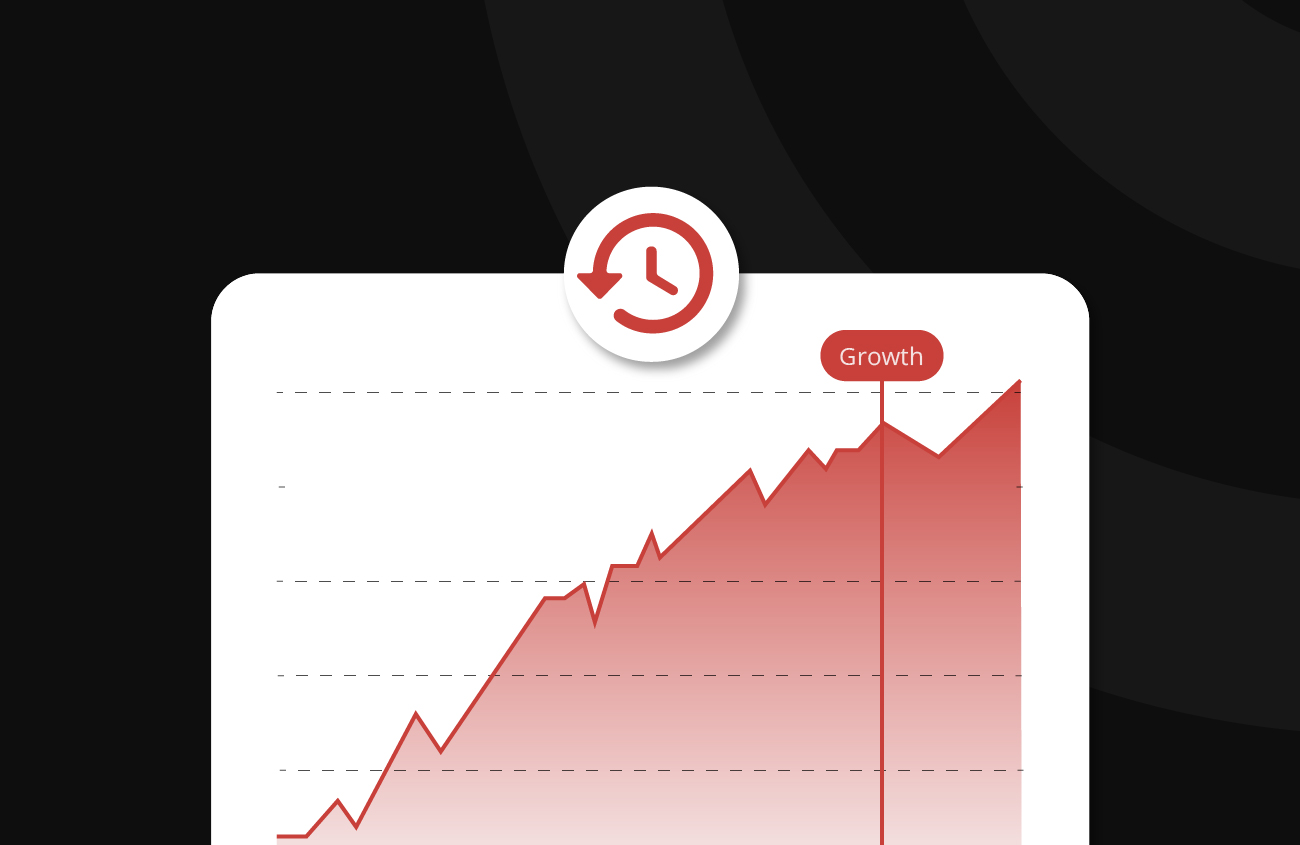
Organic traffic growth is definitely important. If you see more people arriving at your site from Google over time, that’s a strong sign your SEO efforts are working, especially if you can link that growth to something specific you did, like publishing a new article, improving site speed, or fixing technical issues.
But here’s a word of caution: more traffic doesn’t always mean better results.
Imagine getting 10,000 visitors a month, but none of them convert, buy, or even scroll through your content. That’s not success, it’s noise.
So yes, track traffic, but always put it in context. I always advise clients to examine which pages are growing, where visitors are coming from, and what they’re doing once they land.
In short, traffic is a great signpost, but it’s not the final destination.
Keyword Rankings and Visibility in Search Results
There’s something undeniably satisfying about watching your site climb up Google rankings, and while rankings aren’t the only thing that matters, they still tell us a lot.
If your content is ranking higher for relevant keywords, especially those with strong intent, there’s a good chance you’re gaining visibility with the right audience. I like to track not just the “big” keywords, but also long-tail terms. These are often less competitive and incredibly effective at attracting high-quality traffic.
I also recommend looking at overall “search visibility.” This tells you, more broadly, how often your pages are appearing in search results across all tracked keywords. It’s a nice way to measure momentum over time.
One important note: rankings will naturally fluctuate. Don’t panic over small drops, and don’t celebrate too early with small gains. Look at the trend over weeks and months, not day to day.
Conversions and ROI from Organic Search
This is where things get really interesting. You can have all the traffic and rankings in the world, but if those visitors aren’t taking action, your SEO isn’t working as hard as it could.
So, what counts as a conversion? That depends on your business. For some, it’s a sale. For others, it may be a contact form submission, a newsletter sign-up, or a booking request. Define your goals early on and set them up in Google Analytics to track them effectively.
Once you’re tracking conversions, you can start calculating SEO ROI. This can be as simple or complex as you want, but here’s the basic idea:
Let’s say your SEO efforts bring in 20 leads per month, and each lead is worth €200 to your business. That’s €4,000 in value. If your total SEO cost (consultant + content + tools) is €1,000/month, your ROI is 300%. Not bad, right?
And don’t forget the long game. SEO compounds. That blog post you published six months ago might still be bringing in leads today. That’s what makes SEO so powerful.
Tools and Reports to Monitor SEO Progress Over Time
Now that you’re tracking all the right things, let’s talk about how to stay on top of it.
Personally, I like to keep things simple and consistent. I build custom dashboards in Looker Studio (formerly Google Data Studio) for most of my clients. This allows them to track the metrics that matter, without having to log into five different platforms.
Here are the tools I recommend using regularly:
- Google Analytics (GA4): For traffic, user behavior, and conversions;
- Google Search Console: For keyword data and technical indexing issues;
- Ahrefs, Semrush, or Moz: For keyword tracking and competitor analysis;
- Screaming Frog or Sitebulb: For technical SEO audits;
- Hotjar or Microsoft Clarity: To see how users interact with your pages.
As for reporting cadence, I typically provide:
- Monthly updates with traffic, rankings, and key wins;
- Quarterly reviews to assess broader trends and revise strategy;
- Ad hoc alerts if something drops suddenly or needs urgent attention.
If you’re working on SEO yourself, even a monthly self-check can go a long way. Just keep a record of what you’re tracking so you can compare and learn over time.
Final Thoughts
At the end of the day, measuring SEO impact is about more than just numbers—it’s about connecting your efforts to meaningful outcomes. Traffic, rankings, and visibility are great, but conversions and ROI are where the real story lies.
As an SEO consultant in Lisbon, I help businesses make their SEO measurable, actionable, and profitable through data-driven strategies and ongoing optimization. My SEO services are designed to provide you with clarity, not just on what’s working, but also on where to go next.
Feel free to reach out, and let’s talk about how to turn your SEO into a powerful growth engine—grounded in data, not assumptions.
Greg